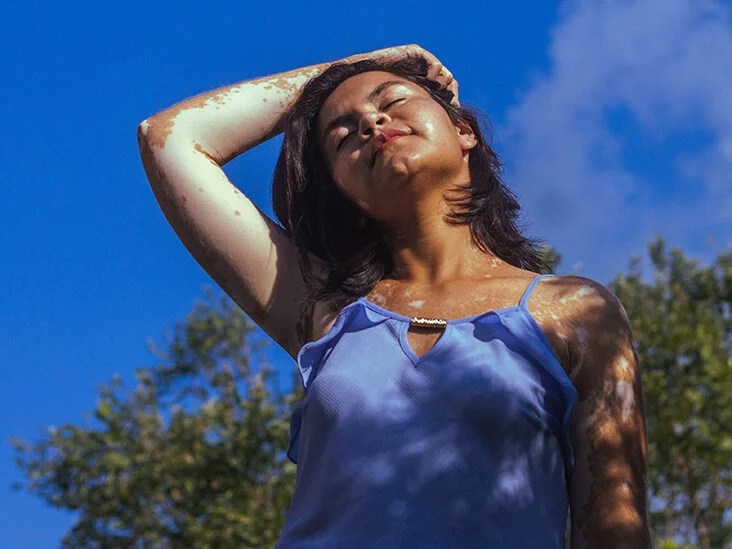
Vitiligo is a chronic skin condition characterized by the loss of melanocytes, the cells responsible for producing melanin, the pigment that gives color to the skin, hair, and eyes. This loss of pigment results in the development of white patches or depigmentation on various parts of the body. While the exact cause of vitiligo is not fully understood, it is believed to involve a combination of genetic, autoimmune, and environmental factors. Among these factors, weather conditions, specifically extreme cold or heat, have been a topic of interest in relation to vitiligo. In this article, we will explore whether extreme cold or heat affects vitiligo and what precautions individuals with vitiligo can take in different weather conditions.
Extreme Cold: Cold weather, particularly during the winter months, can have some impact on vitiligo. Prolonged exposure to cold temperatures can lead to dry skin, which can be more susceptible to cracking and flaking in individuals with vitiligo. These skin changes may be more noticeable on the depigmented areas, resulting in increased discomfort and potential for infection. Therefore, it is essential for individuals with vitiligo to keep their skin well moisturized during colder months and consider using protective clothing to shield their skin from harsh weather conditions.
Moreover, the onset or progression of vitiligo lesions has been observed in some cases following severe frostbite or cold-related trauma to the skin. It is speculated that the trauma and subsequent inflammation may trigger an autoimmune response, potentially leading to the destruction of melanocytes in the affected areas. While this connection is not yet fully understood, it highlights the importance of protecting the skin from extreme cold and minimizing the risk of frostbite or injury.
Extreme Heat: Similar to extreme cold, extreme heat can also impact vitiligo, although the effects may vary among individuals. Excessive heat can cause increased sweating, which can lead to discomfort and irritation, particularly in depigmented areas. It is advisable for individuals with vitiligo to avoid prolonged exposure to direct sunlight, as it can result in sunburn and potential damage to the skin. Sunburn may further exacerbate depigmentation and increase the risk of developing new patches.
In addition to sunburn, it is important to note that individuals with vitiligo have a higher risk of sun sensitivity due to the lack of melanin protection. Therefore, wearing sunscreen with a high sun protection factor (SPF) and seeking shade during peak sun hours can help protect the skin from harmful ultraviolet (UV) radiation.
Precautions for Different Weather Conditions: Regardless of the weather conditions, individuals with vitiligo should adopt certain precautions to maintain the health of their skin. These precautions include:
- Sun Protection: Using sunscreen with a high SPF, wearing protective clothing such as hats and long-sleeved shirts, and seeking shade when the sun is strongest.
- Moisturization: Keeping the skin well moisturized to prevent dryness and cracking, especially during colder months.
- Temperature Regulation: Avoiding prolonged exposure to extreme cold or heat and taking measures to regulate body temperature through appropriate clothing and environments.
- Avoiding Trauma: Taking precautions to minimize the risk of skin trauma or injury, as it may trigger the onset or progression of vitiligo lesions.
- Emotional Well-being: Recognizing the impact of weather conditions on emotional well-being, as stress and anxiety can potentially worsen vitiligo symptoms. Practicing stress-management techniques and seeking support from healthcare professionals or support groups can be beneficial.
In conclusion, extreme cold or heat can have some impact on vitiligo. While these weather conditions may not directly cause vitiligo, they can affect the comfort and health of the skin. Therefore, individuals with vitiligo should take necessary precautions to protect their skin and manage their condition in different weather conditions. By adopting a proactive approach and maintaining a healthy skincare routine, individuals with vitiligo can minimize the potential effects of extreme cold or heat on their condition and promote overall well-being.
Written by Michael Dawson – nutritionist, health consultant, and author of Natural Vitiligo Treatment System: The Home Vitiligo Cure that Doctors Don’t Want You to Discover.
 NaturWarriors