Nasal polyps are noncancerous growths that develop in the lining of the nasal passages or sinuses. They can cause various symptoms such as nasal congestion, runny nose, facial pain, and a reduced sense of smell. If you have nasal polyps, you may be wondering if swimming can help alleviate your symptoms or even have a positive impact on the condition. In this article, we will explore the relationship between swimming and nasal polyps to provide you with a better understanding.
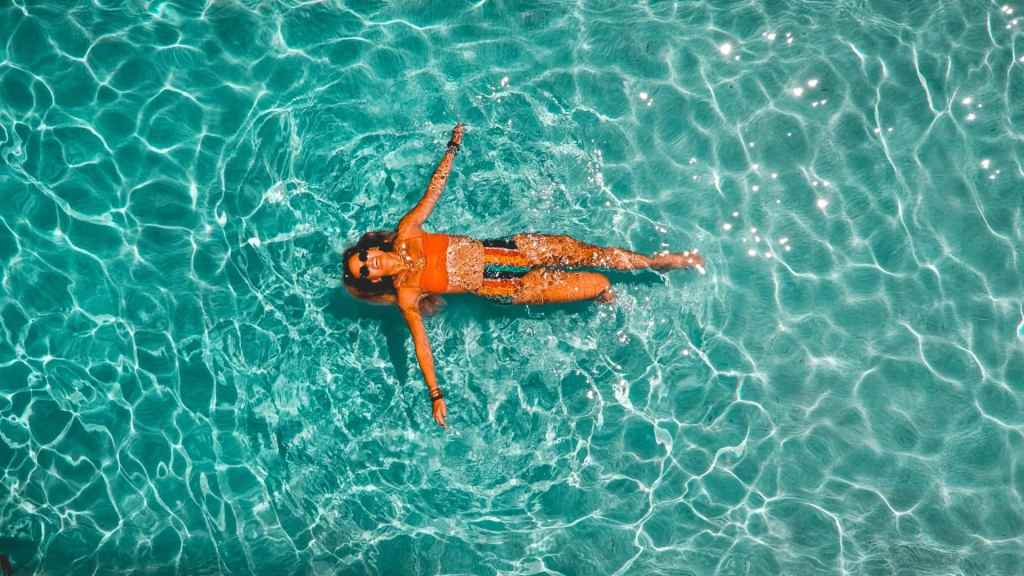
Swimming is often recommended as a form of exercise for individuals with respiratory conditions due to its numerous benefits. The humid environment of indoor swimming pools can help moisturize the nasal passages and airways, which may provide relief from symptoms associated with nasal polyps. Additionally, swimming is a low-impact aerobic activity that can improve overall cardiovascular health, strengthen respiratory muscles, and enhance lung capacity. These factors can contribute to better respiratory function and potentially reduce the severity of nasal polyp symptoms.
However, while swimming may offer some benefits, it is important to note that it is not a cure for nasal polyps. Nasal polyps are typically caused by chronic inflammation in the nasal passages, often associated with conditions like asthma, allergies, or chronic rhinosinusitis. The underlying inflammation needs to be addressed in order to effectively manage nasal polyps. Swimming alone cannot eliminate the root cause of the condition, but it may offer some relief for certain individuals.
It is essential to consider a few factors before incorporating swimming into your nasal polyp management routine. First, it is crucial to consult with your healthcare provider before starting any new exercise regimen, especially if you have underlying health conditions. They can assess your individual situation, provide personalized advice, and recommend the best course of action for you.
If you have asthma or exercise-induced bronchoconstriction (EIB), swimming might be a suitable exercise option. The warm, humid air in indoor pools can be less likely to trigger asthma symptoms compared to outdoor activities. However, it is important to take precautions, such as using a bronchodilator inhaler before swimming, to prevent any potential breathing difficulties.
Furthermore, it is important to maintain proper hygiene when swimming to avoid any potential complications. Chlorine and other chemicals in swimming pools can irritate the nasal passages, exacerbating inflammation in individuals with nasal polyps. To minimize this risk, consider using a nose clip while swimming to prevent water from entering the nasal passages. After swimming, make sure to rinse your nasal passages with saline solution or a nasal rinse to flush out any potential irritants.
In conclusion, swimming may offer some benefits for individuals with nasal polyps. The humid environment of indoor pools can provide temporary relief by moisturizing the nasal passages and airways. Additionally, swimming is a beneficial exercise for overall respiratory health. However, it is important to remember that swimming alone cannot cure nasal polyps or address the underlying inflammation. It should be incorporated as part of a comprehensive treatment plan recommended by a healthcare professional. Always consult with your doctor before starting any new exercise regimen, and take necessary precautions to ensure proper hygiene and minimize potential irritants.
Written by Manuel Richards, health researcher and author of Nasal Polyps Treatment Miracle.
 NaturWarriors