Gout is a painful form of arthritis, characterized by uric acid crystal buildup in the joints, causing inflammation and intense pain. While conventional treatments exist, many individuals seek herbal remedies as natural alternatives to alleviate their gout symptoms. In this article, we will explore various herbal remedies for gout and provide specific guidance on their usage.
Devil’s Claw (Harpagophytum procumbens)
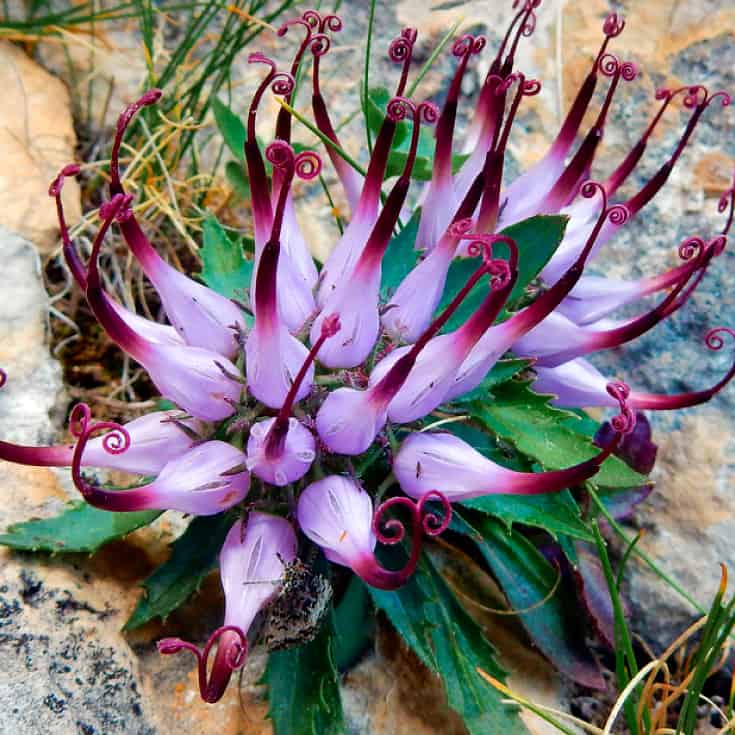
- Usage: Devil’s Claw can be used as a tea or in the form of capsules.
- Dosage: For tea, steep 1-2 teaspoons of dried Devil’s Claw root in hot water for 10-15 minutes, and drink it up to three times a day. For capsules, follow the manufacturer’s recommended dosage.
- Frequency: It can be taken as needed to manage pain and inflammation.
Turmeric (Curcuma longa)
- Usage: Turmeric can be consumed as a spice in food, made into a tea, or taken in the form of curcumin supplements.
- Dosage: As a spice, aim for about 1-2 teaspoons per day. For tea, steep fresh turmeric slices or powder in hot water. Follow the manufacturer’s recommended dosage for supplements.
- Frequency: Incorporate it into your daily routine.
Ginger (Zingiber officinale)
- Usage: Ginger can be added to meals, made into ginger tea, or taken as ginger supplements.
- Dosage: Use ginger liberally in your cooking, or steep fresh ginger slices or ginger powder in hot water for tea. Follow the manufacturer’s recommended dosage for supplements.
- Frequency: Enjoy ginger regularly to help manage inflammation and pain.
Cherry Juice
- Usage: Consume tart cherry juice.
- Dosage: Aim for 8-16 ounces (about 240-480 ml) per day.
- Frequency: Daily intake may help reduce uric acid levels and alleviate gout symptoms.
Nettle (Urtica dioica)

- Usage: Nettle can be prepared as a tea or taken as a supplement.
- Dosage: For tea, steep 1-2 teaspoons of dried nettle leaves in hot water for 10-15 minutes and consume it up to three times a day. Follow the manufacturer’s recommended dosage for supplements.
- Frequency: Incorporate nettle into your routine to benefit from its diuretic and anti-inflammatory properties.
Boswellia (Boswellia serrata)
- Usage: Take Boswellia as a supplement.
- Dosage: Follow the manufacturer’s recommended dosage.
- Frequency: Use it consistently as part of your gout management strategy to help reduce inflammation and pain.
Celery Seed (Apium graveolens)
- Usage: Celery seed is often available in supplement form.
- Dosage: Follow the manufacturer’s recommended dosage.
- Frequency: Use it consistently to complement your gout treatment plan.
Stinging Nettle Root (Urtica dioica)
- Usage: Stinging nettle root is available in supplement form.
- Dosage: Follow the manufacturer’s recommended dosage.
- Frequency: Include it as a regular component of your gout management strategy to reduce inflammation and discomfort.
Incorporating these herbal remedies into your daily routine can be a natural and holistic approach to managing gout symptoms. If you have gout and are interested in a natural option that promises to stop gout in 15 minutes flat, I highly encourage you to check out this free video below (opens in a new page):

 NaturWarriors