Have you ever ventured into the enigmatic world of stomach bile color? It’s not your everyday topic, but it’s a vital player in your digestive system. In this curious journey, we’ll delve into the intriguing kaleidoscope of stomach bile, uncover its colors, ponder its significance, and explore the myriad factors that sway its hues.
Deciphering Bile’s Mysteries
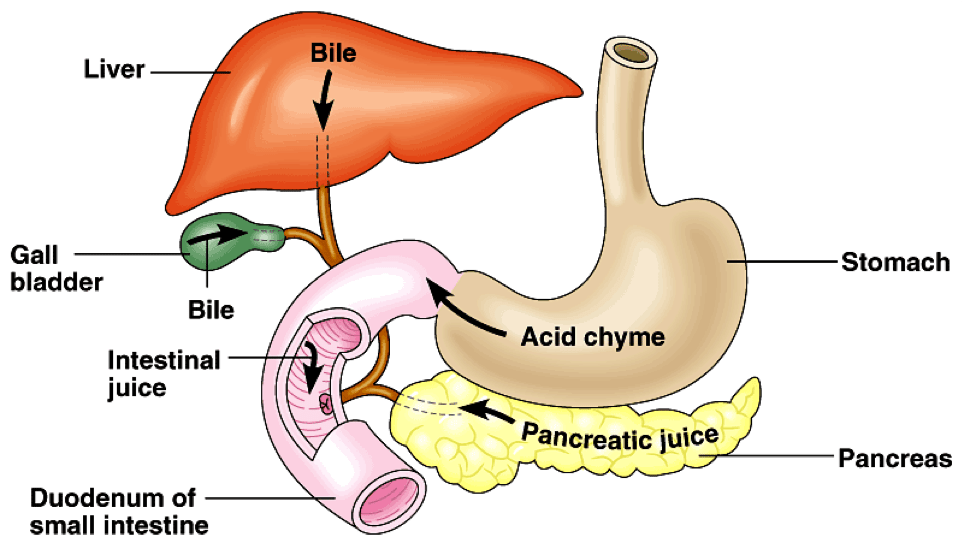
So, let’s start with the enigma of bile. It’s a mysterious fluid, sporting shades of yellowish-green. But it’s not there for its looks; it’s a critical digestive accomplice. Bile’s primary role is to dissolve fats and facilitate the absorption of vital nutrients. This mysterious mixture is comprised of bile salts, bilirubin, cholesterol, and water, all working in tandem to harmonize your digestive symphony.
Another riddle within bile is its role in neutralizing stomach acid and the disposal of waste products, particularly bilirubin. It’s bilirubin that bestows that distinctive hue upon bile. A curious twist is that when bilirubin is mishandled in the body, it might cast a shadow of jaundice – the yellowing of the skin and eyes.
Unraveling the Standard Bile Palette
The customary color of stomach bile is akin to a dance between yellow and green. This coloration can span the spectrum from faint to deep, contingent on the contents of your diet and the length of time the bile resides within your gallbladder.
Influences on Bile’s Color Mystique
- Dietary Da Vinci: The enigmatic connection between food and bile color cannot be ignored. An abundance of verdant leafy greens or foods infused with natural green pigments can prompt a greener note in your bile, while indulging in a high-fat extravaganza can cast a darker shadow.
- Gallbladder Gamble: Your gallbladder is a key player in this enigmatic tale. It stores and releases bile as needed. If this organ loses its script, bile can become more concentrated and exhibit a deeper hue.
- Pharmaceutical Enigma: Certain medications, with their cryptic ways, may tamper with the color of your bile. Antibiotics or gallstone treatments can be agents of transformation.
- Health Conundrums: Liver and gallbladder enigmas can be at the heart of bile color changes. If the liver fumbles the bilirubin task, it can script changes in bile hue and the saga of jaundice.
- Intriguing Infections: Bacterial enigmas in your biliary system might provoke a twist in the bile’s tale.
- Surgical Secrets: A mystifying surgical endeavor, the removal of the gallbladder (cholecystectomy), can rewrite the narrative, as bile is no longer sequestered and concentrated within.
- Dehydration Dilemmas: Puzzlingly, reduced fluid intake can bring about concentrated bile, altering the color palette to a darker tableau.
The Puzzling Denouement
So, the color of stomach bile, a tableau that’s usually a fusion of yellow and green, the artistry of bilirubin and bile salts. Yet, the intrigue intensifies when factors like diet, gallbladder dynamics, medications, health puzzles, infections, surgical escapades, or dehydration are thrown into the mix. Understanding the normal color and its cryptic variations is key to unveiling the mysteries of your digestive health. Should you detect a sustained chromatic metamorphosis in your bile or witness the enigma of jaundice, consulting a healthcare guide is your path to resolving the puzzle of your inner workings.
 NaturWarriors