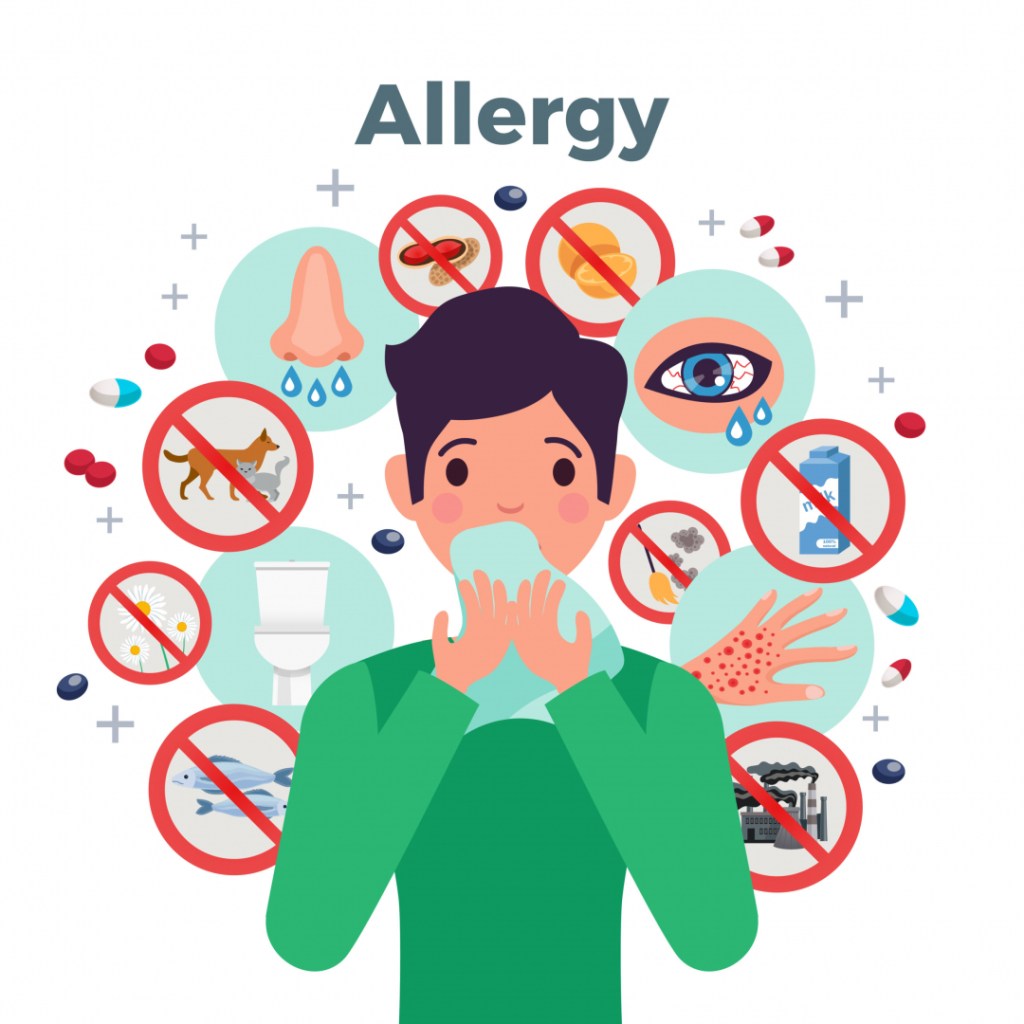
Allergies are a common issue that many people face, manifesting in symptoms such as sneezing, itching, congestion, and watery eyes. While over-the-counter medications can provide relief, they often come with side effects like drowsiness and dry mouth. For those seeking a more holistic approach, natural anti-histamines can be an effective alternative. In this article, we explore various natural substances that can help manage allergy symptoms.
Understanding Histamines
To understand how natural anti-histamines work, it’s important to first grasp the role of histamines in allergic reactions. Histamines are chemicals produced by the immune system in response to allergens. When released, they cause the typical allergy symptoms as the body attempts to expel the allergens. Anti-histamines, whether synthetic or natural, work by blocking the action of histamines, thereby reducing or preventing the allergic reaction.
Natural Anti-Histamines
1. Quercetin
Quercetin is a flavonoid found in many fruits, vegetables, and grains. It has strong anti-inflammatory and antioxidant properties, making it a potent natural anti-histamine. Quercetin stabilizes the membranes of mast cells, which are responsible for releasing histamines.
- Sources: Apples, onions, berries, broccoli, grapes, and citrus fruits.
- Usage: Consuming these foods regularly can help maintain lower histamine levels. Quercetin supplements are also available.
2. Bromelain
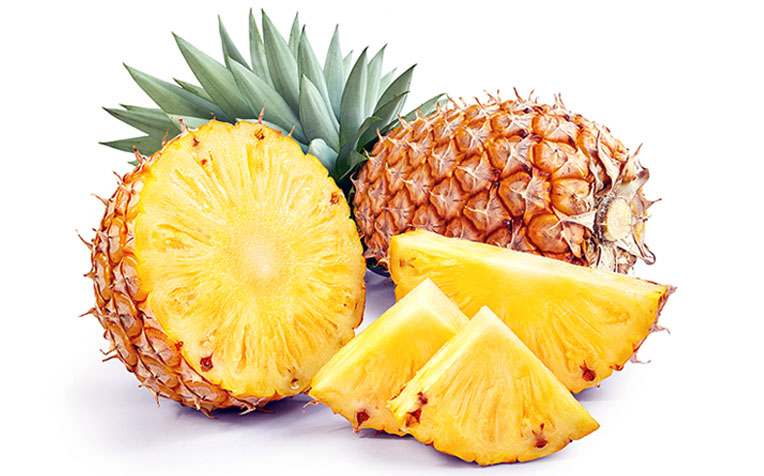
Bromelain is an enzyme found in pineapple juice and the pineapple stem. It helps reduce allergic sensitization and allergic airway disease, thanks to its anti-inflammatory and mucolytic properties.
- Sources: Fresh pineapple and pineapple juice.
- Usage: Include pineapple in your diet or consider bromelain supplements, particularly during allergy season.
3. Vitamin C
Vitamin C is a powerful antioxidant and a natural anti-histamine. It helps reduce the amount of histamine in the blood and enhances the body’s immune response.
- Sources: Citrus fruits (oranges, lemons, grapefruits), strawberries, kiwi, bell peppers, and broccoli.
- Usage: Aim for a diet rich in these fruits and vegetables. Vitamin C supplements can also be beneficial.
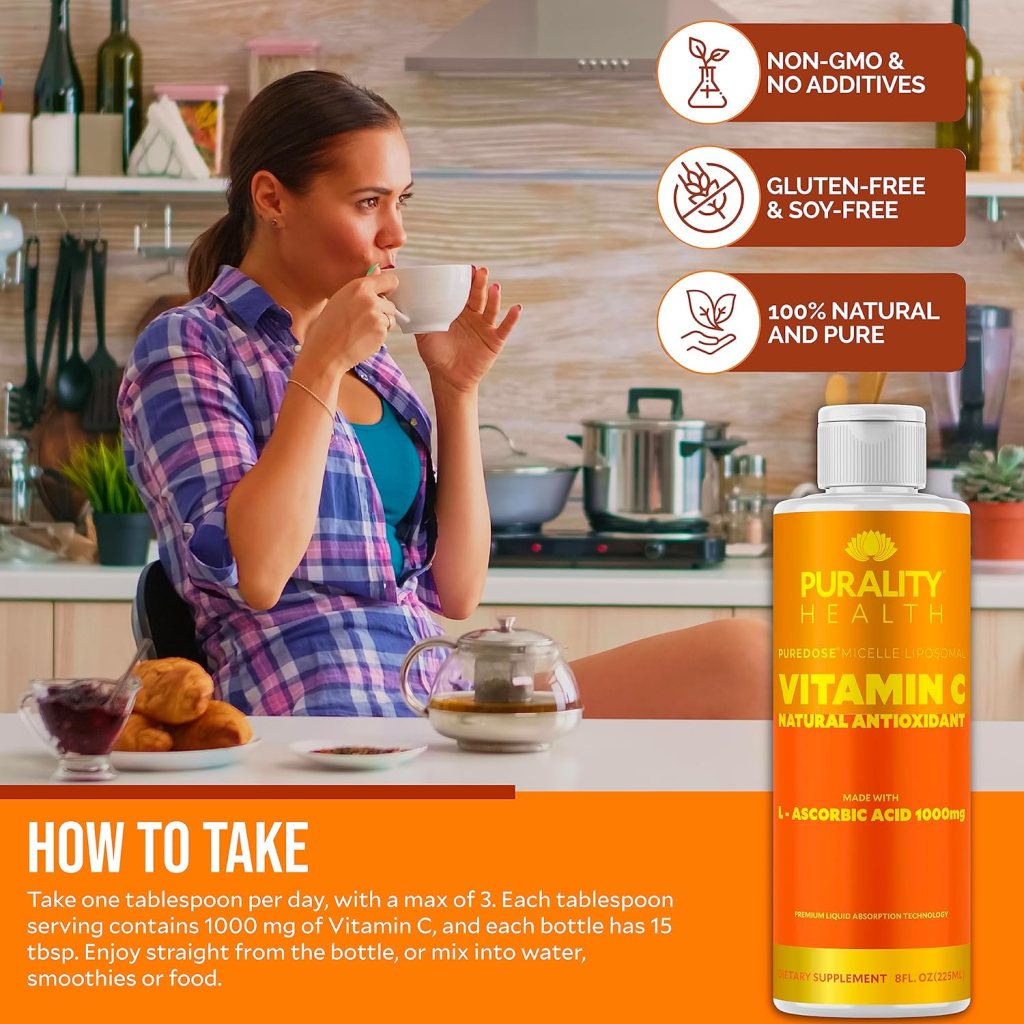
I personally use a Liposomal (for best absorption) vitamin C supplement daily, from Purality Health. They are currently running a 180 day money-back guarantee, if you would like to check it out (click here)
4. Stinging Nettle
Stinging nettle is a herb known for its ability to naturally control histamine production. Studies have shown that it can inhibit the inflammatory processes that cause allergy symptoms.
- Sources: Stinging nettle supplements, teas, and extracts.
- Usage: Capsules or teas made from dried stinging nettle leaves are commonly used for managing allergy symptoms.
5. Butterbur
Butterbur is another herb that has shown promise in reducing allergic reactions. It contains petasin and isopetasin, compounds that help block histamines and leukotrienes, substances involved in the allergic response.
- Sources: Butterbur supplements.
- Usage: Standardized butterbur extracts (free of pyrrolizidine alkaloids, which can be harmful) are recommended for allergy relief.
6. Probiotics
Probiotics are beneficial bacteria that support gut health, which is closely linked to the immune system. A healthy gut can help modulate the body’s immune response and reduce the severity of allergic reactions.
- Sources: Yogurt, kefir, sauerkraut, kimchi, and other fermented foods.
- Usage: Regular consumption of probiotic-rich foods or supplements can help maintain a balanced immune response.
Incorporating Natural Anti-Histamines into Your Routine
To effectively manage allergies with natural anti-histamines, consider incorporating the following strategies into your daily routine:
- Diet: Prioritize foods rich in quercetin, vitamin C, and bromelain. Regularly include probiotic-rich foods to support gut health.
- Herbal Supplements: Use supplements like stinging nettle and vitamin C as recommended, especially during allergy season.
- Lifestyle: Maintain a healthy lifestyle with regular exercise, adequate hydration, and stress management, as these factors can influence your overall immune response.
Conclusion
Natural anti-histamines offer a promising alternative for managing allergy symptoms without the side effects associated with conventional medications. By incorporating these natural substances into your diet and lifestyle, you can take a proactive approach to reducing allergic reactions and improving your overall health. Stay tuned for Part 2, where we will explore additional natural methods for managing allergies.
 NaturWarriors