In Part 1 of our series on managing allergies naturally, we discussed natural anti-histamines that can help alleviate symptoms. However, another crucial aspect of managing allergies is creating an allergy-friendly environment at home. By reducing allergens in your living space and using DIY cleaning solutions, you can significantly minimize your exposure to common triggers. In this article, we’ll outline practical steps to allergy-proof your home and share recipes for effective DIY cleaning solutions.
Steps to Allergy-Proof Your Home
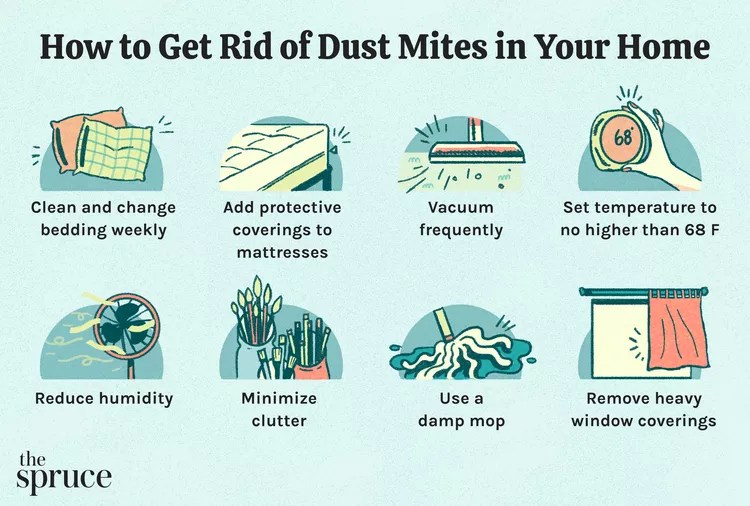
1. Control Dust Mites
Dust mites are a common allergen found in household dust. They thrive in warm, humid environments and are often found in bedding, upholstered furniture, and carpets.
- Bedding: Use dust mite-proof covers for mattresses, pillows, and duvets. Wash bedding in hot water (at least 130°F or 54°C) weekly to kill dust mites.
- Humidity: Maintain indoor humidity below 50% using dehumidifiers or air conditioners.
- Vacuuming: Vacuum carpets and upholstered furniture regularly using a vacuum cleaner with a HEPA filter.
2. Reduce Pet Dander
Pet dander, consisting of tiny skin flakes, can trigger allergies in many individuals.
- Pet-Free Zones: Keep pets out of bedrooms and off furniture.
- Grooming: Bathe and groom pets regularly to reduce dander.
- Air Purifiers: Use air purifiers with HEPA filters to capture airborne pet dander.
3. Minimize Pollen Entry
Pollen from outdoor plants can easily enter your home and cause allergic reactions.
- Windows: Keep windows closed during high pollen seasons and use air conditioning to cool your home.
- Clothing: Change clothes and shower after spending time outdoors to remove pollen from your skin and hair.
- Plants: Avoid indoor plants that produce pollen. Choose low-pollen or hypoallergenic varieties instead.
4. Mold Prevention
Mold spores are another common allergen that thrives in damp environments.
- Bathrooms: Use exhaust fans to reduce humidity. Clean and dry shower curtains, tiles, and grout regularly.
- Leaks: Fix any leaks promptly and ensure proper ventilation in damp areas like basements and attics.
- Dehumidifiers: Use dehumidifiers in damp areas to keep humidity levels low.

5. Clean Air
Improving indoor air quality is essential for reducing allergens.
- Air Filters: Replace HVAC filters regularly with high-efficiency filters designed to trap allergens.
- Ventilation: Ensure proper ventilation in your home. Use exhaust fans in kitchens and bathrooms.
- Indoor Plants: Certain indoor plants can improve air quality by filtering pollutants. Consider plants like spider plants, peace lilies, and snake plants.
DIY Cleaning Solutions
Commercial cleaning products often contain harsh chemicals that can exacerbate allergies. DIY cleaning solutions are not only safer but also effective in maintaining a clean, allergen-free home. Here are some easy-to-make recipes:
1. All-Purpose Cleaner
This versatile cleaner can be used on various surfaces around your home.
- Ingredients:
- 1 cup distilled white vinegar
- 1 cup water
- 10-15 drops of essential oil (e.g., lemon, lavender, or tea tree)
- Instructions:
- Mix the vinegar and water in a spray bottle.
- Add the essential oil for a pleasant scent and additional antibacterial properties.
- Shake well before each use. Spray on surfaces and wipe with a clean cloth.
2. Glass Cleaner
Achieve streak-free windows and mirrors with this simple glass cleaner.
- Ingredients:
- 1 cup distilled water
- 1 cup rubbing alcohol (70% concentration)
- 1 tablespoon white vinegar
- Instructions:
- Combine all ingredients in a spray bottle.
- Shake well before each use. Spray on glass surfaces and wipe with a lint-free cloth or paper towel.
3. Bathroom Cleaner
Tackle bathroom grime and mold with this effective cleaner.
- Ingredients:
- 1 cup baking soda
- 1/4 cup liquid castile soap
- 1/4 cup hydrogen peroxide
- 10 drops tea tree oil
- 10 drops eucalyptus oil
- Instructions:
- Mix the baking soda and liquid castile soap in a bowl.
- Add hydrogen peroxide and essential oils. Stir to combine.
- Apply the paste to bathroom surfaces using a sponge or brush. Let it sit for a few minutes, then scrub and rinse.
4. Floor Cleaner
Keep your floors clean and allergen-free with this natural solution.
- Ingredients:
- 1/2 cup white vinegar
- 1 gallon hot water
- 10-15 drops essential oil (e.g., peppermint, lemon, or eucalyptus)
- Instructions:
- Mix all ingredients in a bucket.
- Use a mop to clean floors, ensuring the solution is well-distributed. Allow floors to air dry.
Conclusion
Creating an allergy-friendly home involves a combination of reducing allergen exposure and using natural cleaning solutions. By following these steps and incorporating DIY cleaning recipes, you can significantly improve your indoor environment and reduce allergy symptoms.
 NaturWarriors