Gout, a type of inflammatory arthritis, is characterized by sudden and severe pain, redness, and swelling in the joints, especially the big toe. While various factors contribute to gout flare-ups, cold weather can notably exacerbate the condition. Understanding these impacts can help individuals manage their symptoms more effectively.
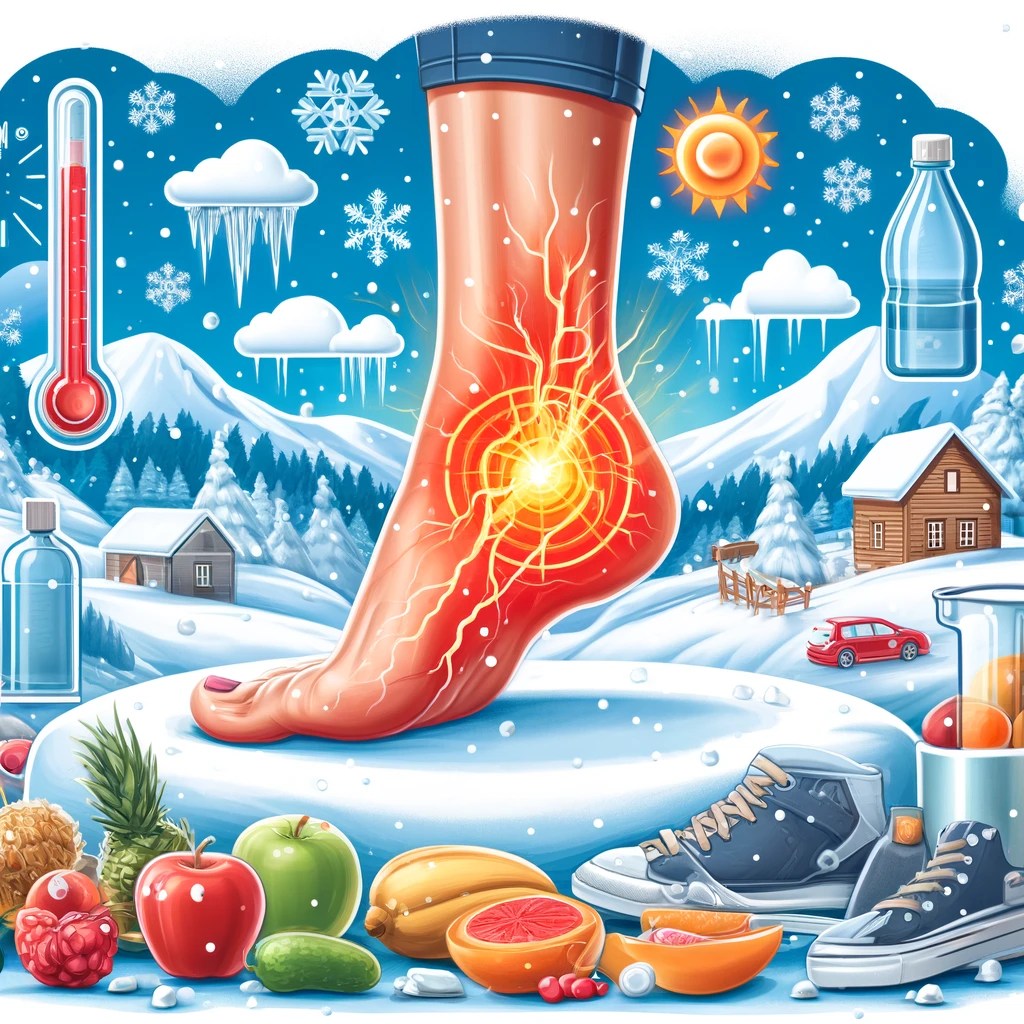
1. Increased Uric Acid Levels
Cold weather can influence the body’s metabolic processes, potentially leading to increased uric acid production. Uric acid is a waste product formed when the body breaks down purines, substances found in certain foods and drinks. When temperatures drop, the body may respond by producing more uric acid or by reducing the excretion of uric acid through the kidneys, which can contribute to higher levels in the bloodstream. Elevated uric acid levels can lead to crystallization in the joints, resulting in painful gout attacks.
2. Reduced Circulation
During colder months, blood vessels constrict as the body prioritizes keeping vital organs warm. This reduced circulation can hinder the flow of blood to the extremities, exacerbating inflammation in already sensitive joints. Poor circulation may also delay recovery from a gout attack, prolonging discomfort and pain.
3. Lifestyle Changes
The winter season often encourages people to stay indoors and become less active. Sedentary lifestyles can contribute to weight gain, which is a significant risk factor for gout. Additionally, the holiday season is notorious for indulgent meals rich in purines—such as red meats, seafood, and sugary beverages—that can spike uric acid levels. Consuming excessive alcohol, particularly beer, can also worsen gout symptoms.
4. Dehydration
Cold weather can lead to a decrease in thirst, resulting in reduced fluid intake. This is problematic since proper hydration is crucial for maintaining uric acid levels. Dehydration can cause the kidneys to retain more uric acid, increasing the likelihood of gout flare-ups. It’s essential to drink plenty of water, even when you don’t feel thirsty, to keep your body well-hydrated.
5. Footwear Choices
As temperatures drop, people tend to wear heavier footwear to stay warm. While this is essential for comfort, it can lead to discomfort and exacerbate existing joint issues, particularly in the feet. Tight or poorly fitting shoes can increase pressure on the toes and other affected areas, intensifying pain during a gout attack.
6. Prevention and Management
To manage gout effectively during colder months, individuals should take proactive steps:
- Stay Hydrated: Aim for at least 8-10 glasses of water daily to help flush out uric acid and prevent dehydration.
- Maintain a Balanced Diet: Limit intake of high-purine foods, especially during the holidays. Focus on a diet rich in fruits, vegetables, whole grains, and low-fat dairy products.
- Stay Active: Engage in regular, gentle exercise to maintain a healthy weight and improve circulation. Activities such as walking or swimming can be beneficial.
- Dress Comfortably: Choose footwear that provides support without restricting circulation. If you’re experiencing discomfort, consider consulting a podiatrist.
2024 Update: A Natural Effective Solution to Stop Gout in 15 Mins?
As mentioned above, some medications can stop and prevent gout attacks. However, it turns out there is a better way and devoid of side effects.
It doesn’t have to do with avoiding meat, but rather, it involves inducing key changes to your gut microbiota which in turn enables them to become much more effective at breaking down purines. This means no uric acid crystal formation.
Watch the following video about this incredible new cure:
The End of Gout

 NaturWarriors