Vitiligo is a chronic skin condition characterized by the loss of pigmentation, resulting in white patches of skin that can develop anywhere on the body. While the exact cause of vitiligo remains unclear, growing evidence suggests that autoimmune diseases play a significant role in its development. In this article, we will explore the connection between vitiligo and autoimmune diseases, examining how the immune system may contribute to the condition and what it means for those affected.
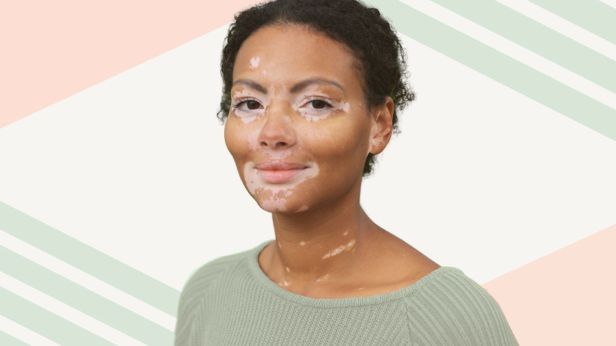
What is Vitiligo?
Vitiligo occurs when melanocytes, the cells responsible for producing skin pigment (melanin), are destroyed or malfunction. As a result, patches of skin lose their color, leading to uneven skin tones. Vitiligo affects people of all ages, races, and genders, although it may be more noticeable in individuals with darker skin tones.
While the physical impact of vitiligo is often the most visible aspect of the condition, it can also have significant psychological effects, including emotional distress, social anxiety, and a decreased quality of life. The causes of vitiligo are complex, but researchers have identified several factors that may contribute to its development, including genetics, environmental triggers, and immune system dysfunction.
Vitiligo and Autoimmune Diseases: A Closer Look
One of the most significant findings in recent years is the potential link between vitiligo and autoimmune diseases. Autoimmune diseases occur when the body’s immune system mistakenly targets and attacks its own healthy cells. In the case of vitiligo, the immune system appears to mistakenly attack the melanocytes, leading to their destruction and the formation of depigmented patches.
This immune system dysfunction is central to understanding vitiligo. Studies have shown that individuals with vitiligo are more likely to have other autoimmune conditions, such as:
- Thyroid Disorders: Thyroid diseases, such as Hashimoto’s thyroiditis and Graves’ disease, are commonly associated with vitiligo. The immune system’s attack on the thyroid gland may increase the risk of developing vitiligo.
- Type 1 Diabetes: People with vitiligo are at a higher risk of developing type 1 diabetes, an autoimmune condition in which the immune system attacks the insulin-producing cells in the pancreas.
- Alopecia Areata: This condition causes hair loss due to the immune system attacking hair follicles. There is a significant overlap between individuals with vitiligo and those with alopecia areata, suggesting a shared autoimmune mechanism.
- Rheumatoid Arthritis: Although less common, vitiligo can sometimes coexist with rheumatoid arthritis, a condition in which the immune system attacks the joints.
The connection between vitiligo and other autoimmune diseases suggests that the immune system’s dysregulation may play a key role in the development of vitiligo. This overlap in conditions points to a broader issue of immune system dysfunction that may impact multiple areas of the body, including the skin, thyroid, hair follicles, and joints.
Genetic Factors and Autoimmunity in Vitiligo
Genetics also plays an important role in the development of autoimmune diseases, including vitiligo. Studies have shown that certain genetic markers are more common in individuals with vitiligo, particularly those that are involved in immune system regulation. These genetic factors may predispose some individuals to an overactive immune response, making them more vulnerable to developing vitiligo as well as other autoimmune conditions.
Researchers have identified a number of genes that may be involved in the regulation of melanocyte survival and immune responses. For example, mutations in the NLRP1 gene, which is associated with immune system regulation, have been found in some people with vitiligo. These genetic variations may contribute to the immune system’s attack on melanocytes.
The Role of Environmental Triggers
In addition to genetic factors, environmental triggers may also play a role in initiating or exacerbating autoimmune responses in individuals with vitiligo. Stress, viral infections, sunburn, and certain chemicals have been identified as potential environmental triggers that can activate the immune system and contribute to the development of vitiligo in genetically predisposed individuals.
The presence of autoimmune diseases in individuals with vitiligo suggests that external factors can sometimes exacerbate the immune system’s dysfunction, leading to the destruction of melanocytes. This relationship between environmental triggers and autoimmune dysfunction highlights the complexity of vitiligo and other autoimmune conditions.
What Does This Mean for Treatment?
Understanding the connection between vitiligo and autoimmune diseases has important implications for treatment. Treatments often focus on managing the autoimmune response and reducing inflammation. Topical corticosteroids, immune-modulating drugs, and phototherapy are commonly used to help restore pigment and reduce immune system activity.
In some cases, individuals with both vitiligo and autoimmune diseases may require specialized treatment to manage both conditions simultaneously. For example, individuals with thyroid disease and vitiligo may need hormone replacement therapy to manage their thyroid function, in addition to treatments aimed at restoring skin pigmentation.
Moreover, targeting the underlying immune system dysfunction may become an increasingly important part of vitiligo treatment in the future. Research into immunotherapy, which aims to regulate the immune response and reduce inflammation, holds promise for improving outcomes for individuals with vitiligo and other autoimmune diseases.
The connection between vitiligo and autoimmune diseases sheds light on the underlying mechanisms that may contribute to the development of this skin condition. Autoimmune dysfunction appears to play a central role in vitiligo, and understanding this relationship is crucial for developing more effective treatments. While there is still much to learn, ongoing research into immune system regulation and genetic predisposition offers hope for better management and potential therapies in the future.
David Paltrow’s Vitiligo Miracle
Have you heard about David Paltrow’s Vitiligo Miracle? It is a system that claims to heal Vitligo in 45-60 days using a unique 5-step method. It is definitely unconventional, but I do recommend watching his free video and deciding for yourself: Vitiligo Miracle Video

 NaturWarriors