Back pain is one of the most common health complaints worldwide, affecting millions of people. It can range from a mild nuisance to a debilitating condition that interferes with daily activities. While many factors contribute to back pain, one that often flies under the radar is the type of footwear you wear. What you put on your feet may be influencing your spinal health more than you realize.
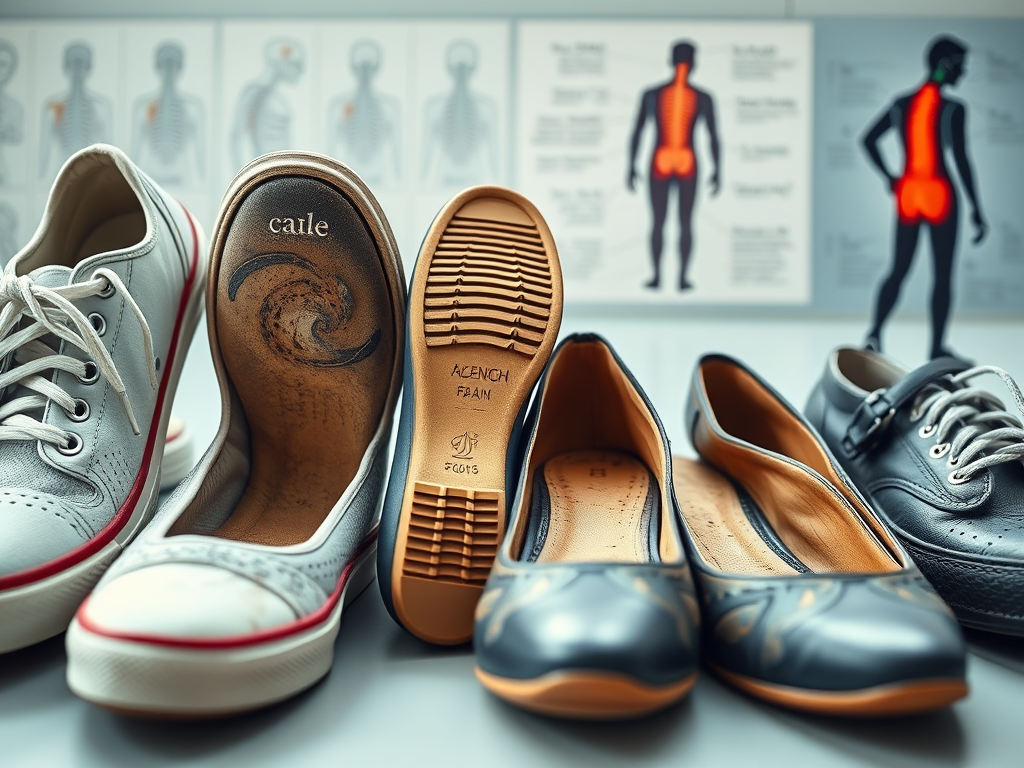
The Link Between Footwear and Back Pain
The relationship between footwear and back pain is direct and impactful. Our feet are the foundation of our entire body, so any misalignment or discomfort in them can have a cascading effect on the rest of the body, especially the spine. Poor footwear can alter the way you walk, forcing your spine to compensate for the misalignment. Over time, this added stress can lead to muscle fatigue, inflammation, and even chronic pain in the back.
Types of Footwear That Contribute to Back Pain
- High Heels: One of the biggest offenders when it comes to back pain is high heels. They change the natural alignment of your spine by pushing your body forward, which forces you to lean back to maintain balance. This constant compensation puts excessive strain on your lower back, leading to pain and discomfort. If you wear high heels frequently, the effects can add up over time, leading to persistent back pain.
- Flip Flops: While flip-flops may be comfortable in warm weather, they offer little to no support for the arch or heel of the foot. Without proper cushioning and support, flip-flops can lead to poor posture and cause the spine to misalign, resulting in discomfort and pain.
- Flats and Ballet Shoes: While flats and ballet shoes are often chosen for their style and comfort, they often lack sufficient arch support or cushioning. This lack of support can cause your feet to flatten, affecting your posture and straining your back muscles. Over time, this can lead to both foot and back pain.
- Worn-Out Shoes: Even if your shoes are technically designed to be supportive, they lose their effectiveness over time. Shoes that are worn out, especially those with damaged soles or compromised cushioning, can contribute to uneven pressure distribution on your feet. This leads to poor alignment in the legs and back, ultimately resulting in pain and discomfort.
- Shoes with Poor Arch Support: Arch support is essential for proper foot alignment. Without it, your feet may overpronate (roll inward) or supinate (roll outward), causing the alignment of the knees, hips, and spine to be off. This misalignment can lead to chronic pain in the back and lower body.
The Impact of Poor Footwear on Your Spine
When you wear shoes that don’t provide adequate support or cushioning, your body is forced into unnatural positions. This misalignment can alter the curve of your spine, leading to tension and stress in the muscles, ligaments, and joints. As a result, your body must work harder to compensate for the imbalance, often leading to discomfort in the lower back, upper back, and neck.
Additionally, improper footwear can contribute to muscle fatigue. For example, if your shoes don’t support your arch, your muscles have to work harder to keep you stable, leading to overuse and strain in the lower back. This can eventually lead to chronic pain, limited mobility, and even long-term damage to the spine.
How to Choose Footwear That Supports Your Spine
To prevent back pain caused by poor footwear, it’s important to choose shoes that offer proper support and alignment for your feet and spine. Here are a few things to consider when selecting shoes:
- Proper Arch Support: Choose shoes with built-in arch support to prevent your feet from flattening out. This support helps align the body and distributes weight more evenly, reducing strain on the spine.
- Cushioning: Shoes with good cushioning help absorb shock and provide comfort for the feet. Look for shoes with enough padding to reduce impact and protect your spine during movement.
- Heel Height: If you wear heels, choose ones with a lower height (ideally under two inches). Lower heels provide better alignment and reduce the strain on the lower back.
- Stability and Fit: Shoes that offer good stability and fit properly will help prevent unnecessary strain on the feet and back. Avoid shoes that are too tight or too loose, as they can affect your posture and gait.
- Avoid Flat Shoes: Look for shoes that offer support and structure, rather than flats that lack cushioning and arch support. A slightly elevated heel or built-in arch support can make a big difference in your overall comfort.
Important:
Your footwear plays a crucial role in maintaining the health of your spine and preventing back pain. If you’re experiencing discomfort or persistent pain, it might be time to evaluate the shoes you’re wearing. Choosing the right shoes and making small adjustments to your daily footwear choices can go a long way in alleviating pain, improving posture, and keeping your back healthy.
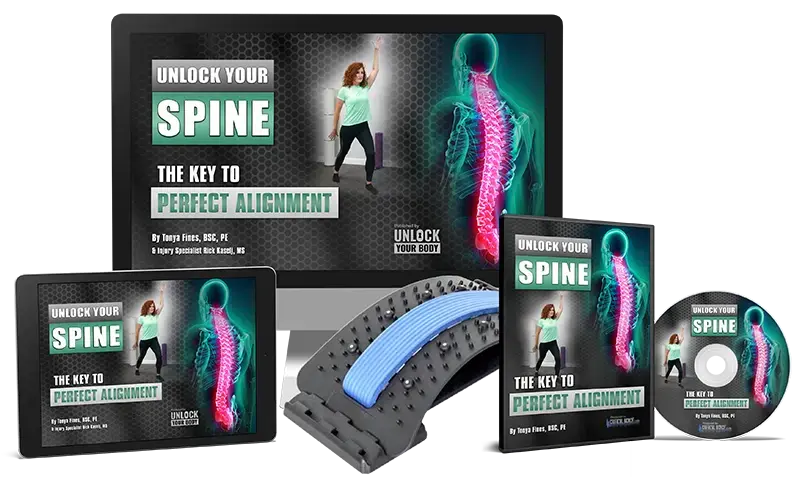
To take your spine health to the next level, consider incorporating the Unlock Your Spine system. This simple, 10-minute practice is designed to realign your spine, eliminate back pain, boost your energy levels, and even improve your sleep quality. Whether you’re dealing with chronic back pain or simply want to enhance your posture, Unlock Your Spine offers a quick and effective solution. Try it today and feel the difference—it’s time to start living pain-free!
 NaturWarriors