Vitiligo, a skin disorder characterized by the loss of pigmentation, poses unique challenges for those affected. While the exact causes of vitiligo are not fully understood, recent research has highlighted the role of certain vitamins in managing and potentially slowing down the progression of this condition. In this comprehensive article, we will delve into the key vitamins that have shown promise in supporting individuals with vitiligo. Understanding the significance of these vitamins and incorporating them into a well-rounded approach to vitiligo management could offer tangible benefits for those navigating this skin disorder.
Vitamin D
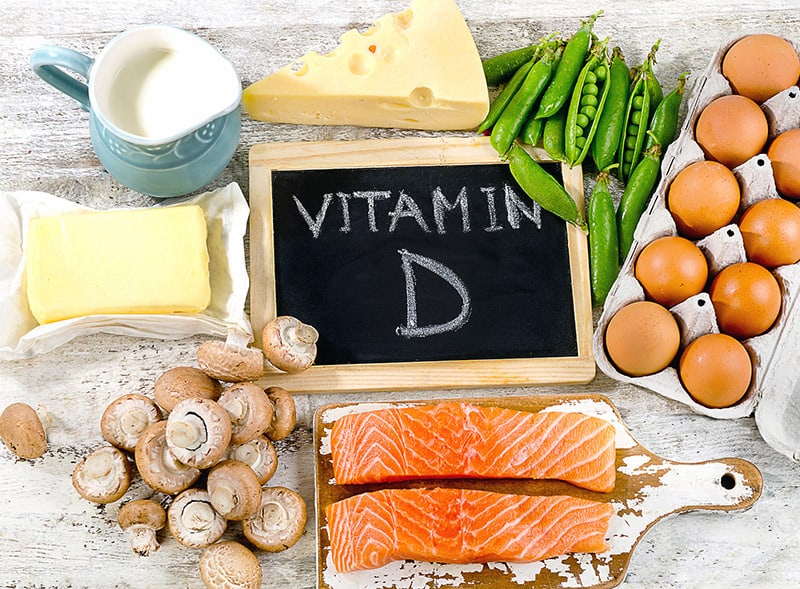
Vitamin D, often referred to as the “sunshine vitamin,” plays a crucial role in various bodily functions, including immune system regulation. Recent studies have suggested a potential link between vitamin D deficiency and the development of vitiligo. Vitamin D is essential for the proper functioning of melanocytes, the cells responsible for producing melanin. Adequate levels of vitamin D may contribute to melanocyte health, potentially preventing or minimizing depigmentation associated with vitiligo.
Sun exposure is a natural source of vitamin D, and individuals with vitiligo should aim for safe sun exposure to ensure sufficient vitamin D levels. Additionally, vitamin D supplements may be recommended, especially for those with limited sun exposure or specific dietary restrictions. However, it’s crucial to consult with a healthcare professional to determine the appropriate dosage and monitor vitamin D levels to prevent toxicity.
Vitamin B12
Vitamin B12, also known as cobalamin, plays a vital role in the production of red blood cells and the maintenance of the nervous system. Some studies have suggested a correlation between vitamin B12 deficiency and vitiligo. Vitamin B12 is involved in the synthesis of melanin, and its deficiency may contribute to the depigmentation observed in vitiligo patients.
Including vitamin B12-rich foods in the diet, such as fish, meat, eggs, and dairy products, can be beneficial. In cases of deficiency, vitamin B12 supplements may be recommended under the guidance of a healthcare professional. Regular monitoring of vitamin B12 levels is essential to ensure optimal supplementation and prevent potential complications.
Vitamin E
Vitamin E is a powerful antioxidant that helps protect cells from oxidative stress and inflammation. Oxidative stress has been implicated in the progression of vitiligo, making antioxidants like vitamin E potentially beneficial in managing the condition. While research on vitamin E specifically for vitiligo is limited, its general antioxidant properties suggest a role in supporting skin health.
Incorporating vitamin E-rich foods into the diet, such as nuts, seeds, and leafy green vegetables, can contribute to overall skin health. Vitamin E supplements may also be considered, but as with any supplementation, consultation with a healthcare professional is crucial to determine appropriate dosages and prevent adverse effects.
Vitamin C
Vitamin C, or ascorbic acid, is another potent antioxidant that supports the immune system and promotes collagen production. Research has shown that vitamin C may help protect melanocytes from oxidative damage, potentially slowing down the progression of vitiligo. Additionally, vitamin C enhances the absorption of non-heme iron, contributing to overall skin health.
Including vitamin C-rich foods in the diet, such as citrus fruits, berries, and bell peppers, is a natural way to boost intake. Vitamin C supplements may be considered, especially for individuals with dietary restrictions or challenges in meeting their nutritional needs. As always, consulting with a healthcare professional is essential to determine the most appropriate approach.
Folic Acid (Vitamin B9)
Folic acid, a member of the B-vitamin family, is crucial for DNA synthesis and repair. Some studies have suggested a potential link between folic acid deficiency and vitiligo. Folic acid supplementation may contribute to the stabilization of vitiligo, potentially preventing further depigmentation.
Foods rich in folic acid include leafy green vegetables, legumes, and fortified cereals. If folic acid supplementation is considered, it should be done under the guidance of a healthcare professional to ensure optimal dosages and prevent interactions with other medications.
Copper
While not a vitamin, copper is an essential trace element that deserves mention due to its role in melanin production and its potential impact on vitiligo. Copper is a cofactor for the enzyme tyrosinase, which is crucial for melanin synthesis. Copper deficiency has been associated with vitiligo, and supplementation may offer benefits in some cases.
Foods rich in copper include nuts, seeds, whole grains, and organ meats. Copper supplements should be approached cautiously, and consultation with a healthcare professional is necessary to determine appropriate dosages and monitor for potential side effects.
Zinc
Zinc, another trace element with diverse roles in the body, has sparked interest in the context of vitiligo. Some studies suggest a potential link between zinc deficiency and the development or progression of vitiligo. Zinc is involved in immune function, antioxidant defenses, and the maintenance of skin health.
Research has explored the impact of zinc supplementation on vitiligo patients. Zinc plays a role in melanin synthesis and protects against oxidative stress, contributing to its potential benefits. While results are promising, caution must be exercised, as excessive zinc intake can lead to adverse effects. Consulting with a healthcare professional for personalized advice on zinc supplementation is crucial.
Incorporating zinc-rich foods into the diet is a natural way to support overall health and potentially address deficiencies. Foods such as oysters, red meat, poultry, nuts, and legumes are excellent sources of zinc. However, it’s essential to strike a balance, as excessive zinc intake can interfere with the absorption of other minerals.
Herbs and Supplements
In addition to vitamins, certain herbs and supplements have gained attention for their potential role in vitiligo management:
- Ginkgo Biloba: This herbal supplement has antioxidant properties and may improve blood flow. Some studies suggest that ginkgo biloba extract may help repigment the skin in individuals with vitiligo.
- Turmeric (Curcumin): Known for its anti-inflammatory and antioxidant properties, curcumin, the active compound in turmeric, has been explored for its potential benefits in vitiligo. While research is in the early stages, some studies suggest that curcumin supplementation may help in repigmentation.
- Polypodium Leucotomos: Derived from a tropical fern, this extract has antioxidant properties and may protect the skin from UV radiation. While primarily used for sun protection, some studies propose its potential role in vitiligo management.
- Bakuchiol: Found in the seeds of Psoralea corylifolia (Bakuchi), bakuchiol has been studied for its ability to stimulate melanocytes and promote repigmentation in vitiligo. It may be available in topical formulations.
- L-Phenylalanine: An amino acid that serves as a precursor to melanin production. Some studies have explored the use of L-phenylalanine in combination with UVA exposure for repigmentation in vitiligo.
Conclusion
In conclusion, incorporating key vitamins into a comprehensive vitiligo management plan holds promise for individuals seeking to address this challenging skin condition. While research in this area is ongoing, the potential benefits of vitamins, minerals and herbs in supporting melanocyte health and minimizing oxidative stress holds promise.
It’s important to note that individual responses to vitamin supplementation may vary, and consultation with a healthcare professional is essential before initiating any changes to one’s diet or incorporating supplements. A holistic approach to vitiligo management, which includes a balanced diet, sun exposure, and possibly targeted supplementation, may empower individuals to take an active role in supporting their skin health and well-being.
 NaturWarriors